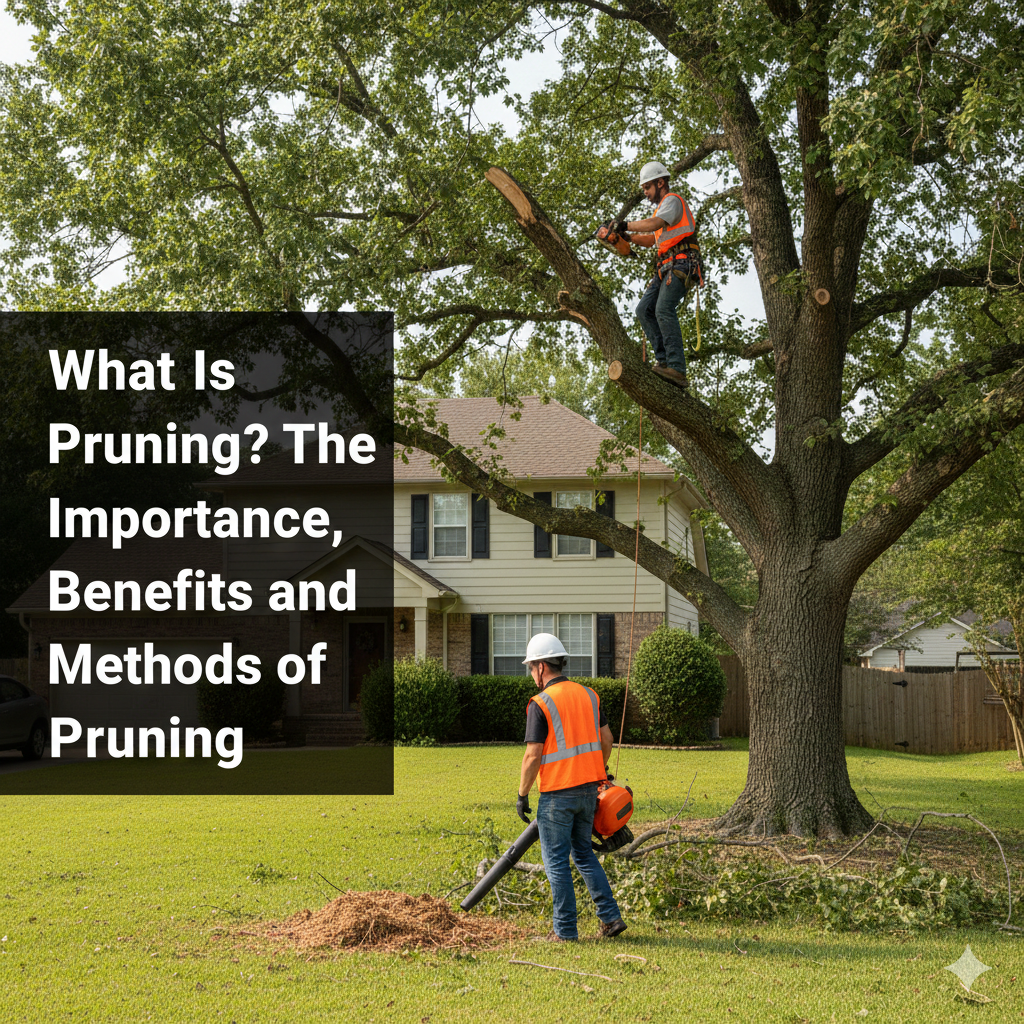
Have you ever gazed up at your backyard trees and wondered: “Could this be healthier? Could it last longer?” Well, the answer lies in one simple word — pruning.
Imagine a healthy oak or maple in your yard — strong trunk, well-spaced branches, no dead limbs looming over your roof or driveway. That’s the kind of structure proper pruning delivers.
What is Tree Pruning?
“Pruning” is the selective removal of branches or parts of a tree to improve structure, health, safety, or aesthetics. The aim is to get rid of the unwanted branches, improve the tree’s structure, and direct to healthy growth. In practical terms, for homeowners — especially those looking into a tree removal service, pruning is the proactive way to maintain the health of your trees and delay or avoid full removal.
Why Pruning Is Important
Here are the key reasons pruning matters:
- Health & longevity: Removing dead or damaged limbs prevents decay and allows trees to allocate resources to healthy growth rather than repairing extensive damage.
- Safety: Trees that have weak, crossed, or overextended branches pose risks to roofs, driveways, power lines, and people. Early removal of those limbs mitigates those risks.
- Structure & form: Especially with young trees, structural pruning helps establish a central leader, correct branch spacing, and avoid defects that lead to problems later.
- Aesthetics & property value: A well-pruned tree looks strong and intentional; a neglected tree can appear wild, overgrown, or unsafe, reducing curb appeal.
- Informed decision making: If you’re considering a full tree removal, a detailed pruning assessment through a licensed tree removal service. They may reveal the tree can be maintained rather than removed.
- Cost savings: Regular pruning often costs far less than emergency removal after a limb fails or the entire tree becomes unsafe.
What Are The Benefits of Pruning
When done properly, the benefits are tangible:
- Improved tree health – You remove dead, broken, or diseased branches, giving the tree a fresh start.
- Reduced risk of damage – Fewer failing limbs mean less risk to property or safety.
- Encouraged healthy growth – The tree is able to channel energy into the good limbs, instead of supporting weak or failing ones.
- Better form & function – Properly pruned trees fit the landscape better; branches won’t overhang roofs or lean awkwardly.
- Enhanced aesthetics – Trees look tended, balanced, and contribute positively to the environment.
- Long-term value – Trees that are structurally sound and healthy often live longer, require fewer emergency repairs, and fewer full removals by a “tree removal service.”
Methods of Pruning
Structural Pruning
This is often performed on younger or newly planted trees. The focus is on establishing the right framework: a strong central leader, correct lateral branches, and eliminating weak or narrow-forked limbs.
Maintenance / Health Pruning
Here, you remove dead, dying or diseased limbs, clear out crossing or rubbing branches, and thin the canopy. It is essential to improve airflow and light penetration.
Crown Thinning
Removing selected limbs back to their origin to open up the canopy, allow light and reduce wind load.
Size Management
Reducing the height or width of a tree to prevent overreach into utility lines or structures
Safety / Hazard Pruning
Often executed when a tree has limbs that threaten structures or utilities. It may overlap with removal services; a licensed tree removal service near me may handle major hazard pruning or removal when necessary.
Corrective / Value-Wood Pruning
On high-value or legacy trees, these pruning methods may be used to correct defects, steer long-term growth, or enhance value.
Tools & Techniques – Best Practices
Sure! Here’s a clear and natural rephrasing of each type of tree trimming method:
1. Reducing Density
This approach involves removing entire branches back to their point of origin. The goal is to open up a crowded canopy, allowing better sunlight penetration and improved air circulation throughout the tree.
2. Maintaining Health
Think of this as giving your tree a gentle tune-up. It focuses on eliminating dead, diseased, or damaged branches to enhance the tree’s overall appearance and vitality, keeping it strong and well-groomed.
3. Size Management
This technique trims back branches to control the tree’s height or spread. It’s often used when branches grow too close to power lines, buildings, or other structures, helping the tree stay safe and well-proportioned.
4. Structural (Subordination) Cuts
This method combines one or more pruning techniques to strengthen the tree’s framework. By shaping growth patterns early, it promotes a stable structure and supports the tree’s long-term health and balance.
When Is the Best Time to Prune Trees in Kokomo, Indiana?
Timing is crucial for success — your trees in Indiana, around Kokomo and nearby areas, have seasonal rhythms that matter.
- Late winter to early spring (while the tree is still dormant) is ideal for many deciduous trees. In this phase, wounds heal faster and structure is visible.
- For spring-flowering trees (e.g., magnolia), prune immediately after bloom to avoid cutting off next year’s flowers.
- For hazard or storm damage pruning: timing may be flexible, but act sooner rather than later for safety.
- Indiana’s climate supports major pruning in late winter – think February through early April for best effect, before heavy growth begins and insects/fungi are less active.
What is the difference between pruning and trimming?
- Pruning – Selective removal aimed at health, structure, safety, long-term benefits.
- Trimming – More cosmetic, often shaping or controlling size rather than structural improvement.
How Often Should I Prune My Trees in Indiana?
Frequency depends on species, age, health, and site conditions.
- Young trees (first 3-5 years): benefit from annual to biennial structural pruning to establish form and remove early defects.
- Mature trees in stable health: often every 3-5 years unless issues arise (crossing limbs, disease, storm damage).
- Trees near hazards (homes, overhead lines, driveways): more frequent inspection and perhaps pruning as needed.
- Fruit trees / high-maintenance ornamentals: may need pruning annually for yield or shaping.
Takeaway
Pruning is important to maintain the health, safety, and beauty of your trees for years to come. With the right timing (especially in Indiana near Kokomo), the proper method, and a clear understanding of the difference between pruning vs trimming, you’ll get more value and fewer surprises.
If you are looking for a licensed tree removal service in Kokomo, Carmel, Zionsville, and nearby areas that offers professional pruning and removal, connect with us today. Let us help you protect your property, enhance your landscape, and keep your trees safe.
Connect with experts to understand which type of pruning suits your trees?
Call us on +1765-438-3021, or book a consultation.